
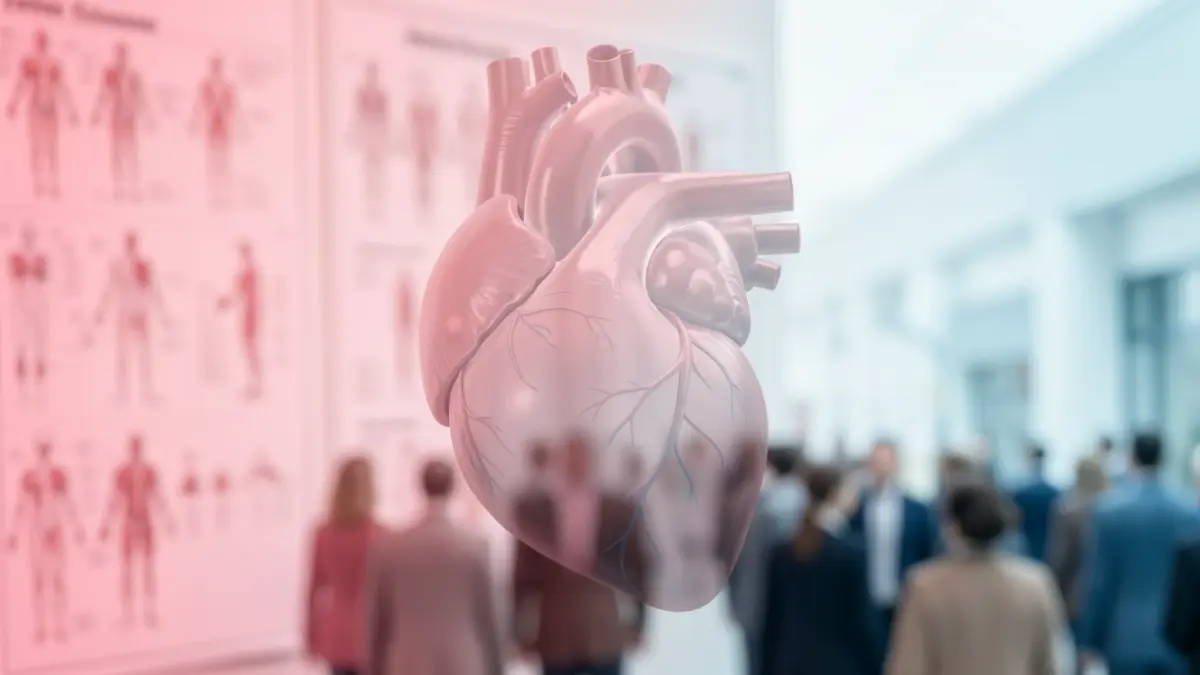
A woman's heart, weighing about 25% less than a man's on average, has smaller chambers and vessels, impacting procedures like stent placement. To maintain sufficient blood flow, a woman's heart typically beats faster.
Menopause marks a turning point: declining estrogen levels reduce heart and vessel protection, affecting cholesterol balance and vessel flexibility, thereby increasing cardiovascular disease risk.
Heart attack symptoms in women can be atypical, including extreme fatigue, nausea, shortness of breath, or pain in the jaw, neck, back, or arms, sometimes mistaken for anxiety or indigestion.
During pregnancy, severe chest pain may indicate a heart attack, possibly due to spontaneous coronary artery dissection. Hypertension or pre-eclampsia also signal higher cardiovascular risk, requiring postpartum monitoring.
Smoking is a major, preventable risk factor, especially when combined with hormonal contraceptives. Diabetes significantly elevates the risk of heart attack, heart failure, and stroke in women.
The hospital's Centre d’Aide aux Fumeurs (CAF) offers smoking cessation support. Understanding these specificities is key to better cardiovascular health management for women.