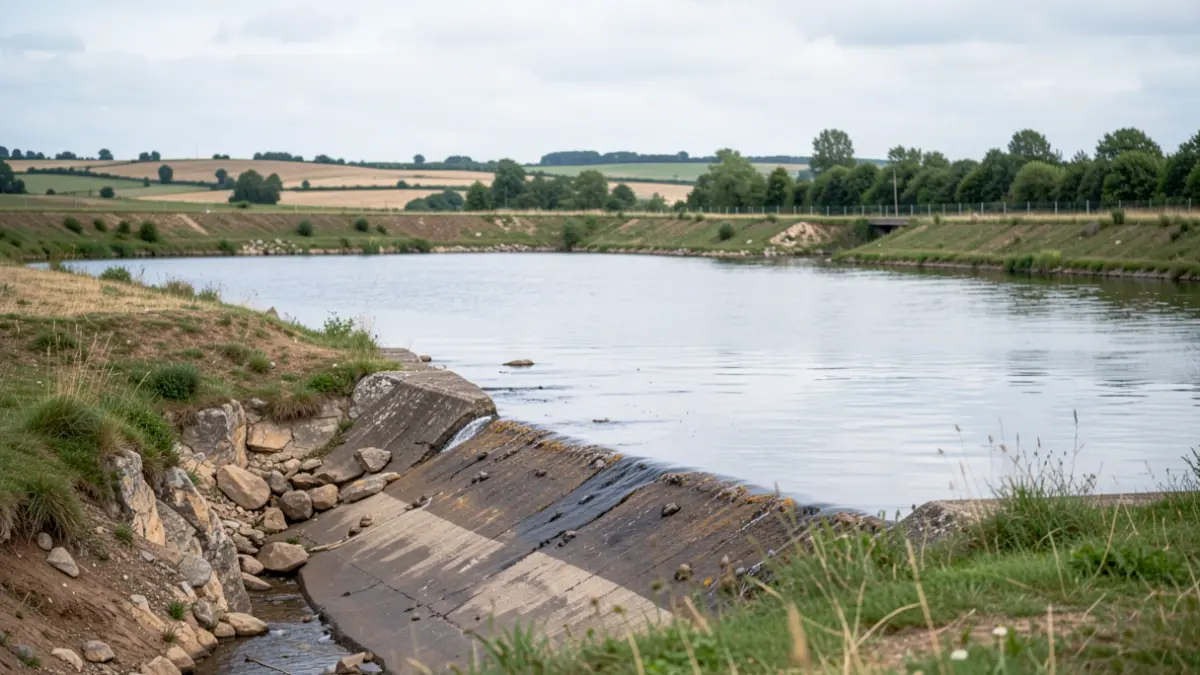
Part of the explanation lies in the dam's intrinsic operation, with its level varying throughout the year to manage winter inflows and floods. However, the exceptional drought of 2026 is strongly accentuating this decrease.
Contrary to some beliefs, the fire in the Hautes Fagnes did not "empty" the dam. Water withdrawals for firefighting were limited compared to the reservoir's capacity. Nevertheless, as a precaution, some inflows from the Hautes Fagnes plateau were interrupted to prevent potential ash pollution from reaching drinking water reserves.
The Gileppe dam serves multiple essential functions: it contributes to the water supply of the Verviers region and to hydroelectric production. Its management is under constant surveillance, with specific prevention zones to reduce pollution risks to the potable water intake.
Regarding drinking water, the information provided indicates that there is currently no problem with its production. The situation requires vigilance and careful resource management, but not alarmism. Water management is a constant balance between available quantity, resource quality, human needs, and ecosystem preservation.