The Federal Agency for Nuclear Control (FANC), in partnership with several organizations including the Indoor Environment Analysis Services (SAMI) of the five Walloon provinces, is launching the Radon Campaign 2026. This initiative aims to inform the public about the dangers of radon, a natural radioactive substance found in soils and rocks, and to encourage prevention and remediation measures. The Scientific Institute for Public Service (ISSeP) and the Regional Intervention Unit for Indoor Pollution of Brussels Environment (CRIPI) also coordinate this action.
Radon, which is colorless, odorless, and tasteless, can infiltrate buildings through tiny cracks, sanitary systems, or water supply, and accumulate there. While harmless outdoors, prolonged exposure to high indoor concentrations increases the risk of lung cancer, being the second leading cause after smoking according to the World Health Organization (WHO). This risk is amplified in smokers.
In Belgium, the southern part of the country, particularly the regions of Verviers, Bastogne, Neufchâteau, Dinant, and Waremme, as well as Walloon Brabant, are more exposed due to the nature of the subsoil (presence of shale). Radon concentration can vary significantly from one region to another, and even from one building to another. An interactive map on the FANC website allows consultation of the average radon level per municipality.
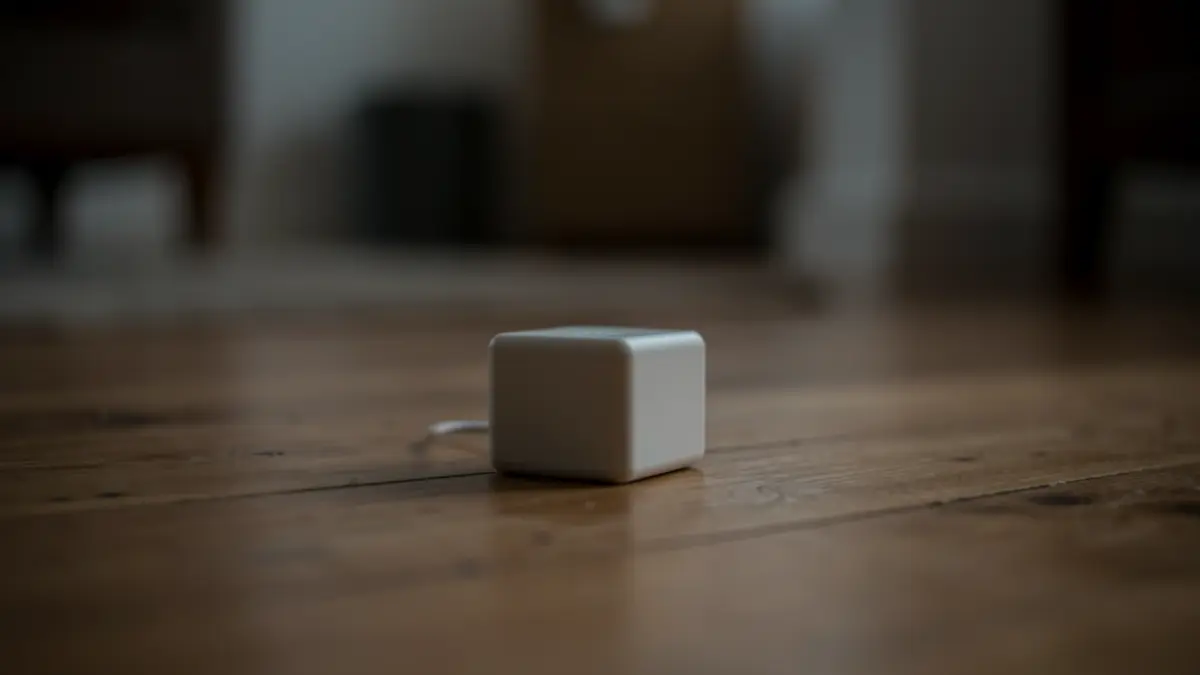
To detect the presence of radon in one's home, measurement is essential. During the campaign, a radon detector can be ordered online for €20 (analysis included). This device should be placed on the ground floor, in the most frequented room, for three months between October and April. The result, measured in Becquerels per cubic meter (Bq/m³), should be interpreted against the Belgian reference level of 300 Bq/m³.
If the level is below 300 Bq/m³, no special action is required, with good ventilation helping to maintain low radon concentrations. If this level is exceeded, solutions exist, and FANC, along with SAMI experts, can assist homeowners in a remediation process. Participating in this campaign is a simple and quick way to protect one's health and that of their family.