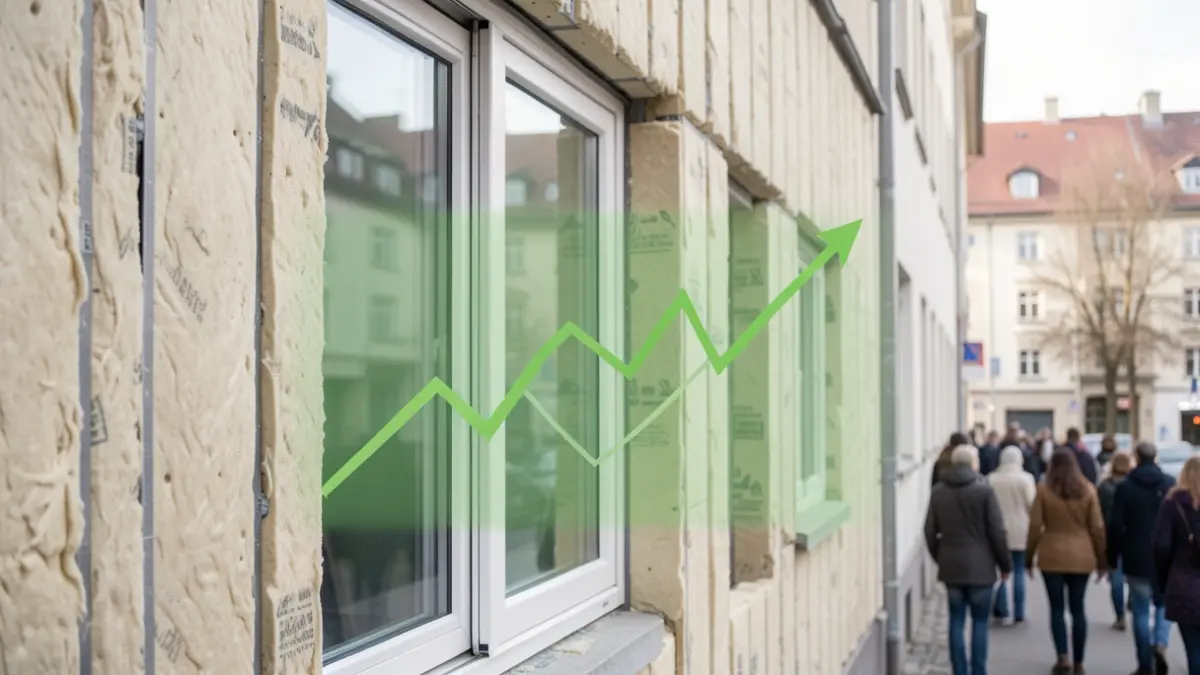
Although costly, many energy renovations for buildings often lack effectiveness and relevance. To ensure every invested euro generates real benefit, the OptiRen project focuses on two priorities: a more refined analysis of building conditions and better valuation of work in the PEB certificate.
The project is based on three pillars: informing citizens and frontline actors to raise awareness about the importance of identifying unknowns before work begins; refining PEB certificate results to better assess and value the energy gains of each intervention; and structuring the analysis of sanitation issues to ensure the building's and the work's durability.
Initially, OptiRen focused on three key areas: the roof structure, floors, and window frames. "These three elements alone can double the cost of renovation work in a terraced house," emphasizes Sébastien Motte, Architect Advisor at UWA. "Many window frames - even recent ones - or roof structures are unnecessarily replaced because there is a lack of clear information about their performance and/or condition."
To prevent unnecessary expenses, OptiRen has developed various solutions deployed through the Local Energy Renovation Platforms (PLRE). For window frames, the idea is to develop solutions based on a body of evidence to establish the energy performance of materials. For roof structures, OptiRen aims to establish a framework agreement with PLRE to facilitate access to an engineer's intervention. "This would be a way to gain real knowledge of the building and better target roof structure-related interventions," explains Sébastien Motte.
The main objective is to optimize renovations and their cost, but also to better value the work in the PEB certificate. "Currently, the validation of energy work is done through grants, and outside of this scenario, the PEB calculation is mainly based on default values that do not allow for the valorization of the work carried out," explains Sébastien Motte. OptiRen advocates for more actors to validate the work and its compliance before the certifier's visit.
The RENOBATEX call for projects is part of the Recovery Plan and supports 25 projects that encourage energy sobriety and/or remove barriers to residential energy renovation.